Nepal · A Living Heritage
गाइने · गन्धर्व
The story of Nepal's travelling story-singers — messengers of kingdoms, keepers of memory
Chapter One
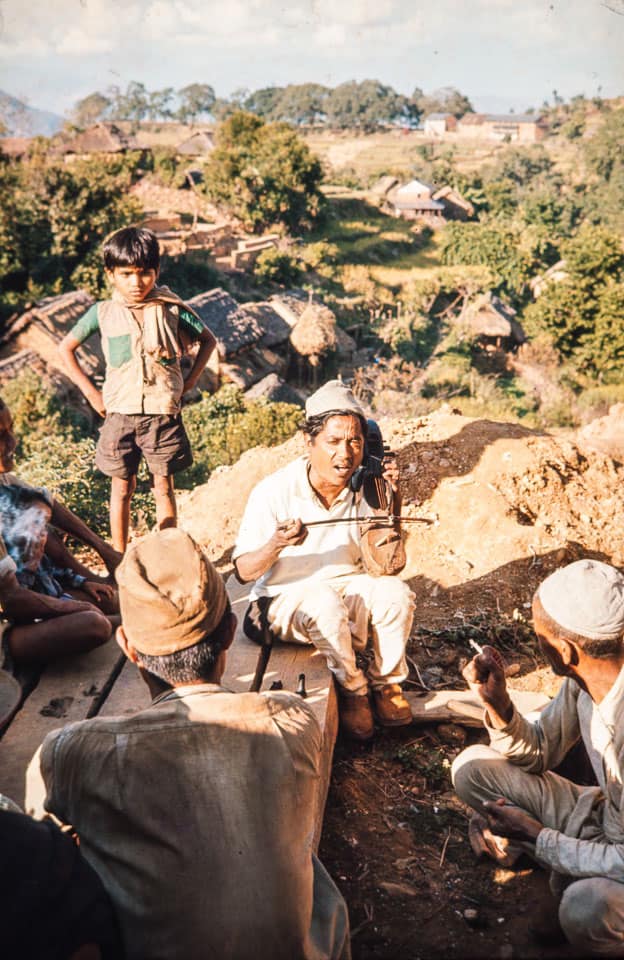
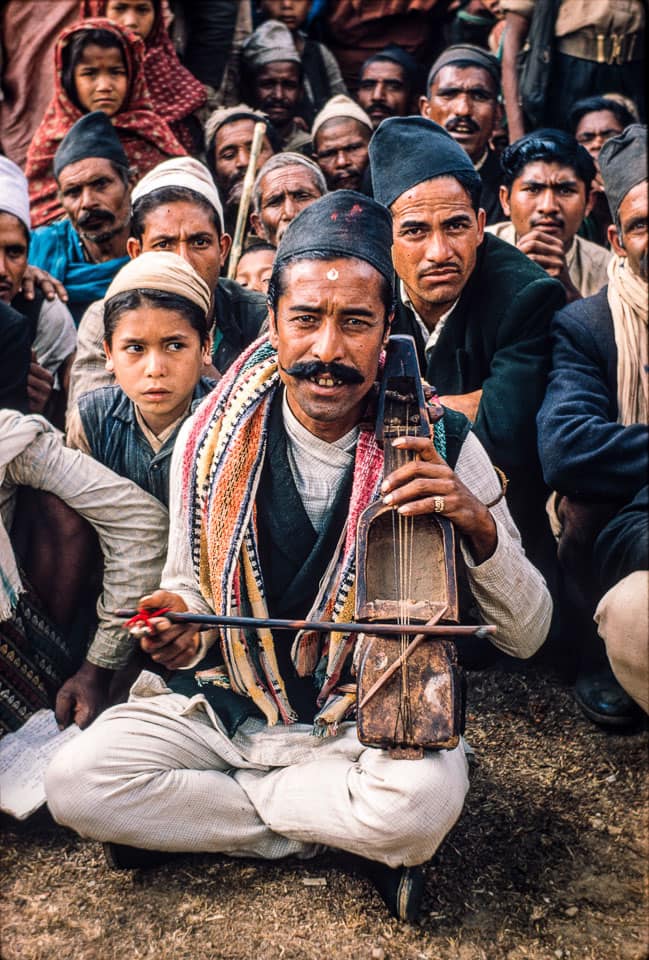
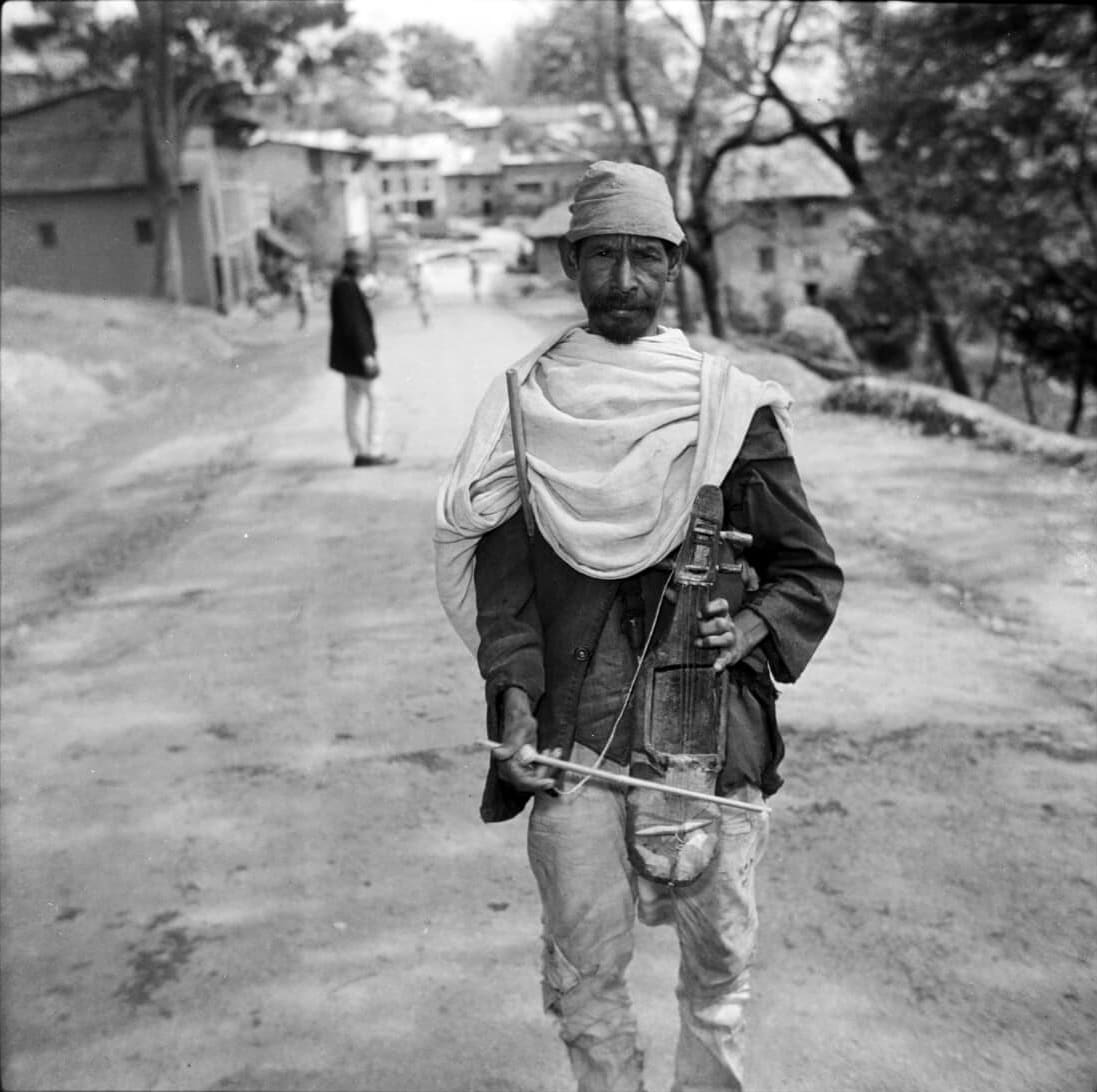
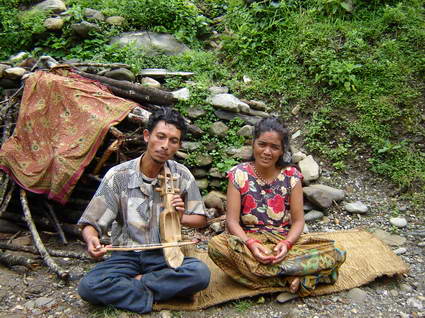
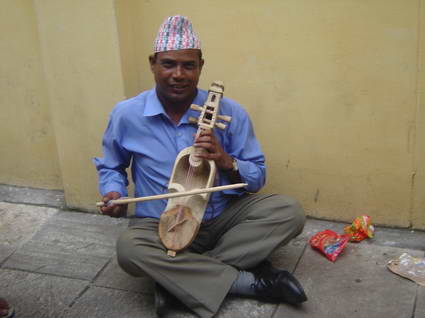
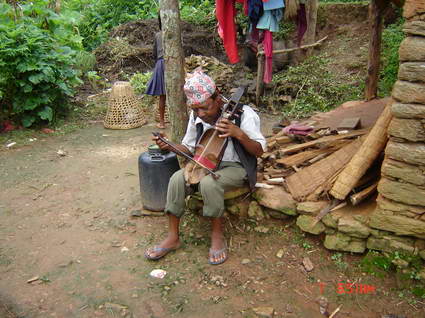
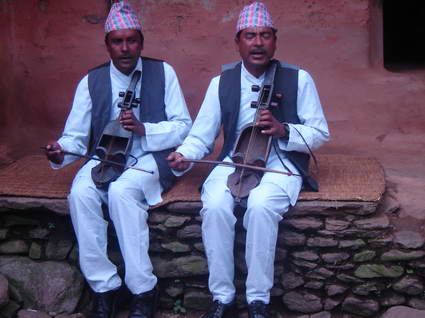
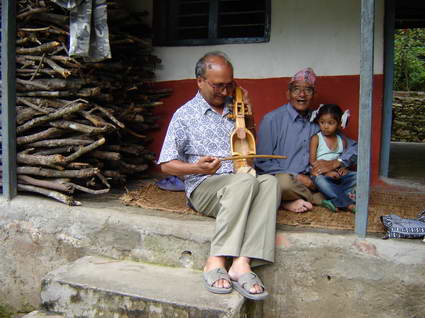
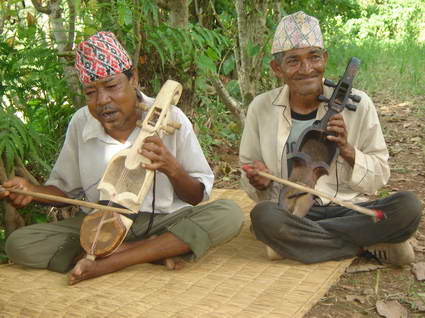
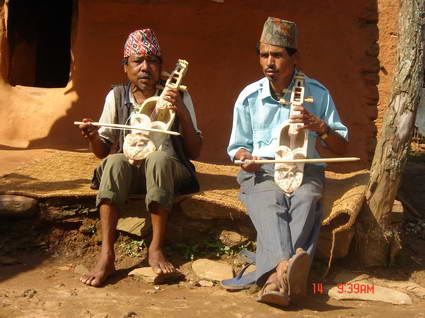
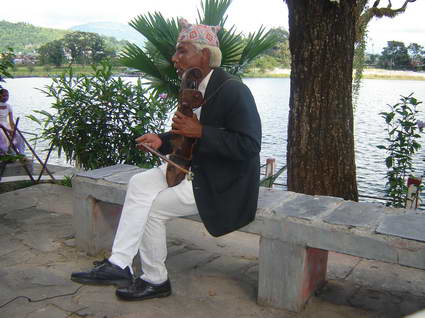
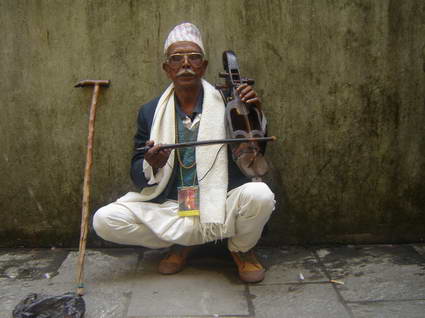
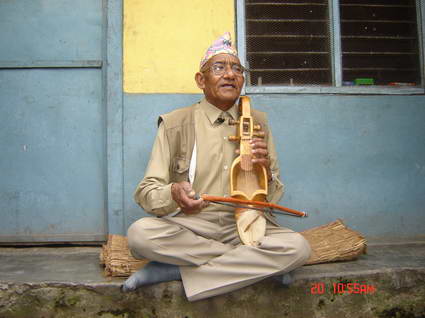
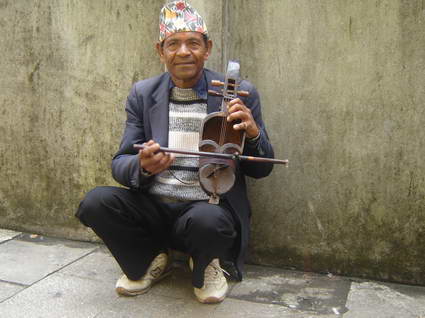
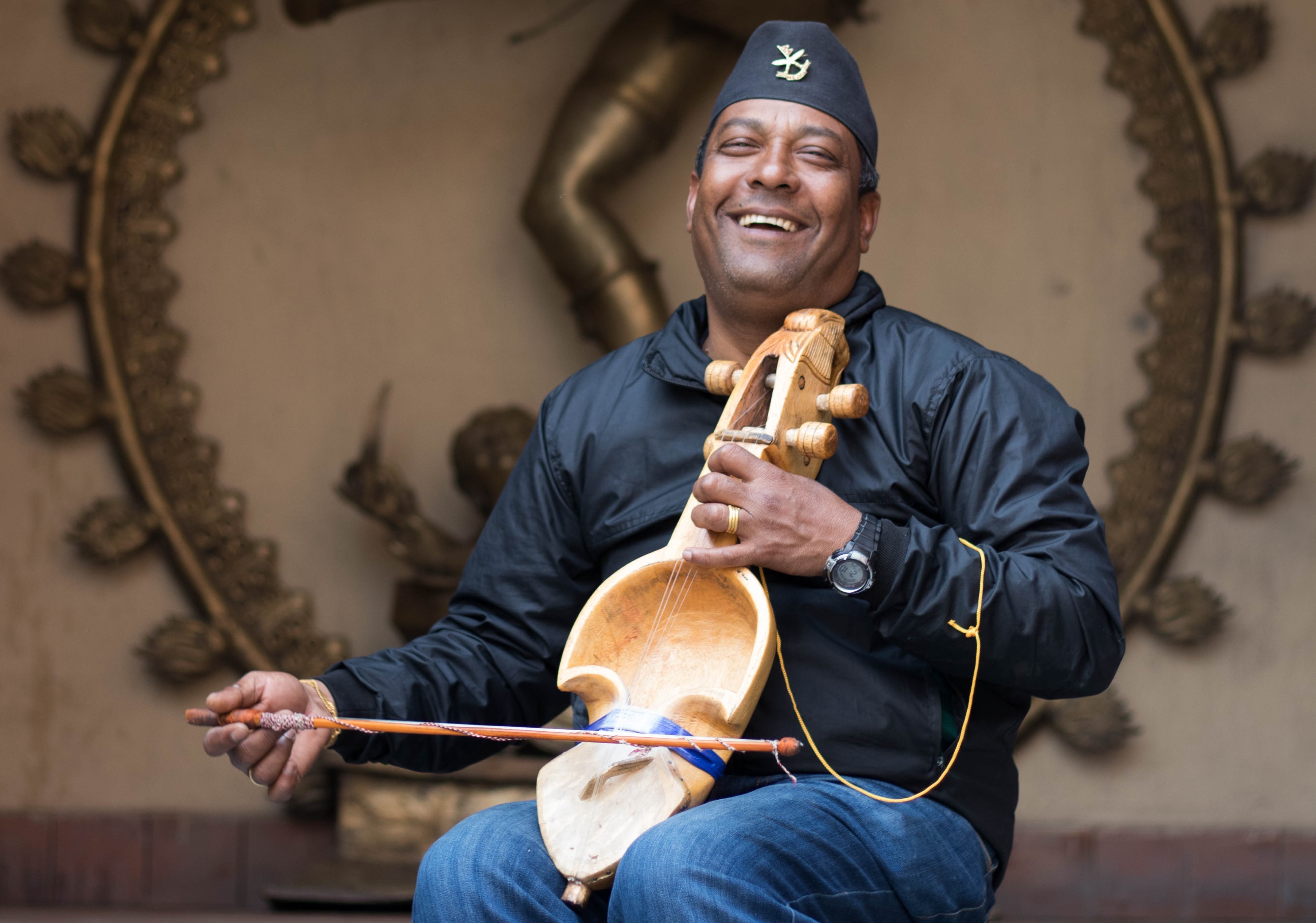
In the Sanskrit tongue, they were called Gandharva — celestial musicians. In the Nepali hills, they became the Gaine: itinerant singers who carried a bowed fiddle called a sarangi, and with it, the memory of an entire nation.
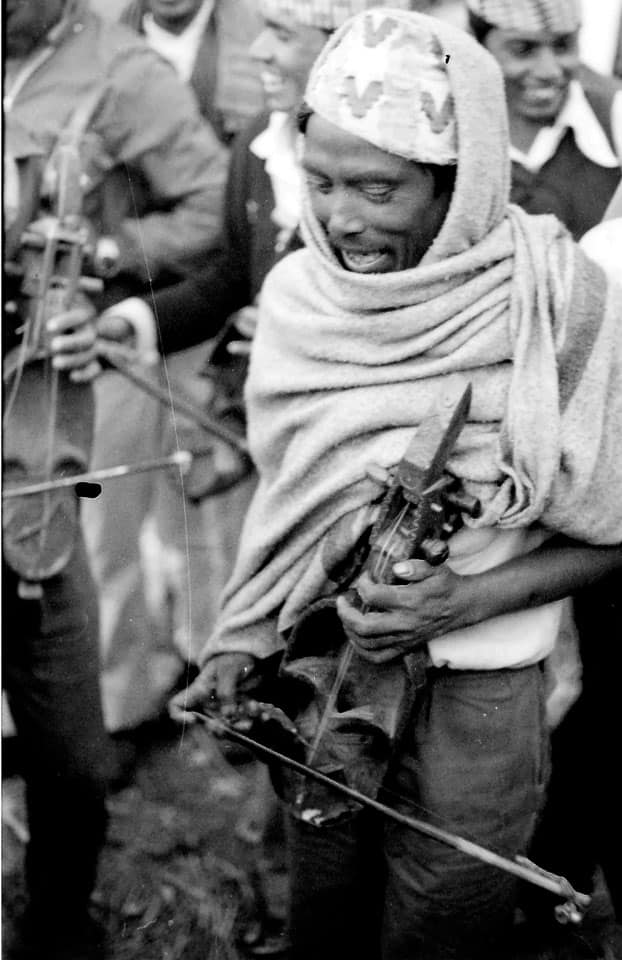
For centuries, the Gaine walked from village to village across Nepal's mountains and valleys. They sang of kings and battles, of sorrow and harvest, of gods and ordinary lives. They were not merely entertainers — they were the nation's first journalists, its oral historians, its living library.
Their repertoire included sabais, gathas, and karkhas — distinct song forms that praised heroes, narrated history, and shaped the moral imagination of rural Nepal. Each song was composed fresh for its audience, improvised in the moment, never written down.
Chapter Two
Before radio. Before telegraph. Before print reached the hills of Nepal — the Gaine carried the news. They walked ahead of armies, slipped between rival kingdoms, and sang of what they had witnessed. Their songs were trusted where no written word could travel.
During King Prithvi Narayan Shah's unification campaigns of the 18th century, the Gaine were not bystanders — they were participants. Singers like Mani Ram Gaine and Bise Nagarchi were sent ahead of Gorkha forces to prepare the ground: lifting morale, spreading word of victories, and weaving the narrative of a unified nation.
c. 1743 – 1775
The Gorkha Unification
Under King Prithvi Narayan Shah, Gaine singers travel ahead of armies as living proclamations. Mani Ram Gaine becomes one of the most celebrated voices of the campaign — his songs filling the valleys before a single sword is raised.
1814 – 1816
The Anglo-Nepal War · Nalapani
As Gorkha soldiers hold the fortress of Nalapani against British forces, Gaine ballads commemorate the battle and its heroes. These oral accounts become the primary record for generations of Nepali listeners.
1854
The Muluki Ain
Nepal's first legal code formalises the caste hierarchy. The Gaine, ranked among Dalit castes, are simultaneously celebrated as cultural guardians and marginalised as a community. Their art endures despite — because of — this tension.
Late 1800s
Songs Across the Kingdom
Gaine Dais carry news of floods, droughts, royal births and political shifts from village to village. In the absence of any mass media, they are the only connective tissue of a nation's public life.
1950s – 1960s
Radio Arrives
Radio Nepal begins broadcasting. The Gaine's monopoly on news and song begins to weaken. Some adapt, performing on radio; most continue their village routes, their songs evolving to address modernity.
Chapter Three
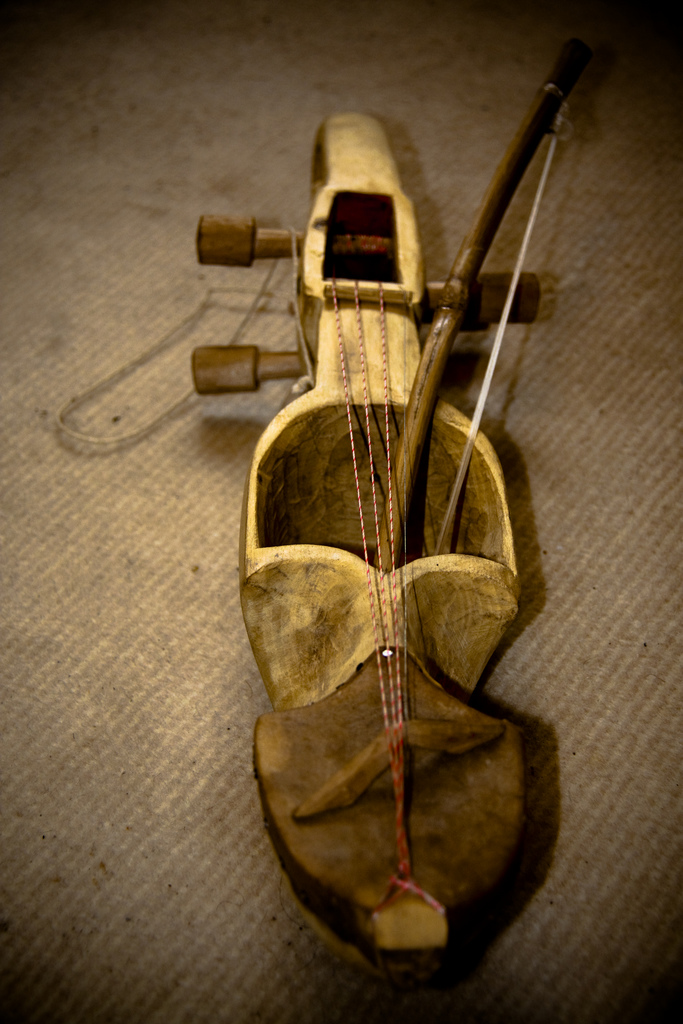
The word sarangi is said to derive from the Sanskrit sau — one hundred — and rang — colours. An instrument of one hundred emotions. Touch the strings below to hear its voice.
Click each string to hear its voice
Material
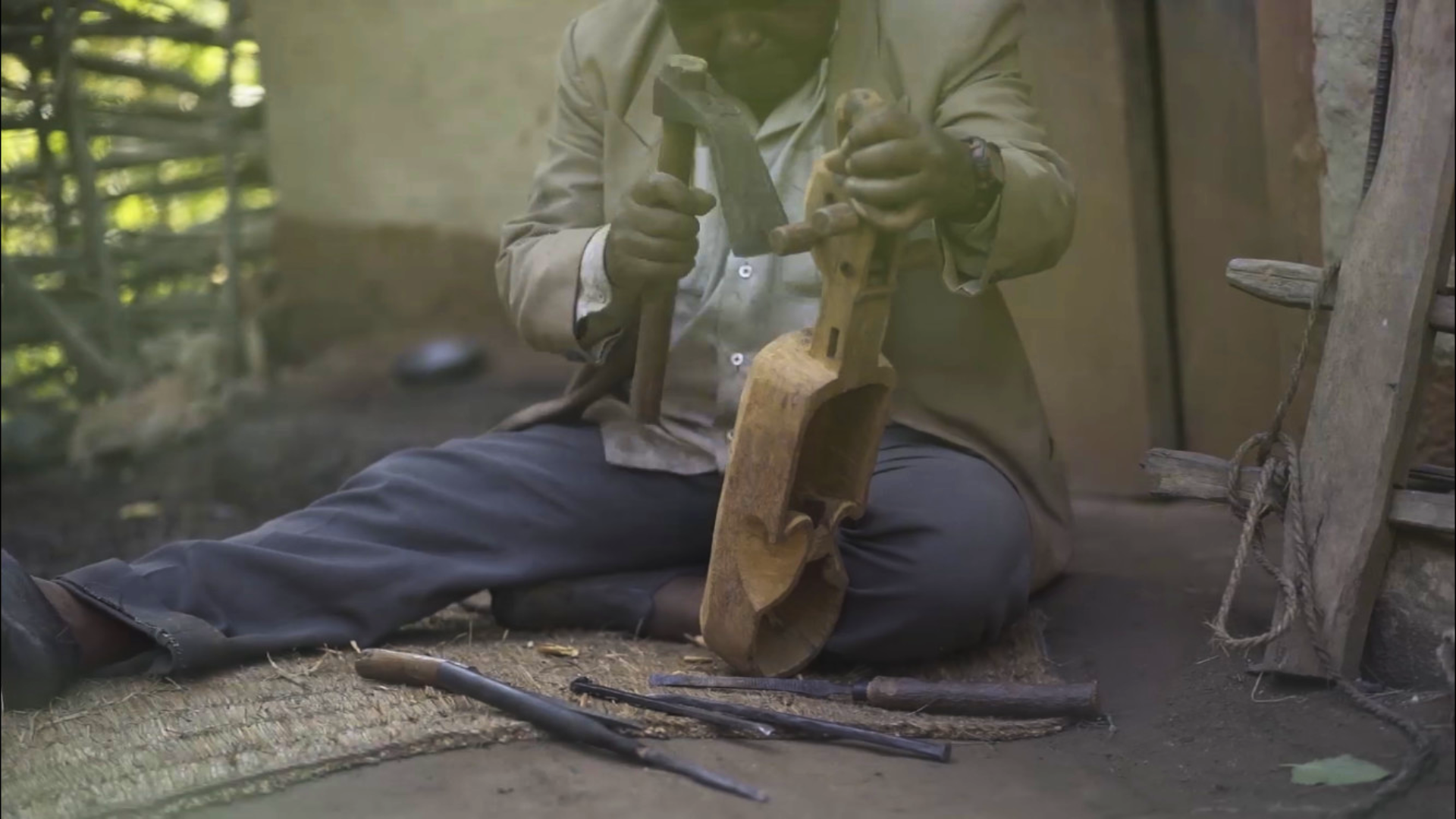
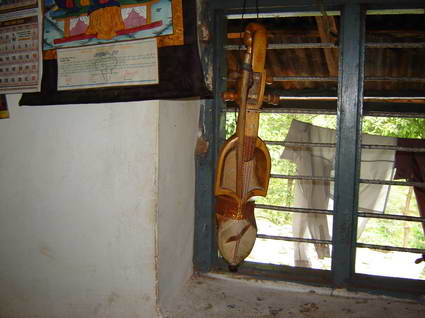
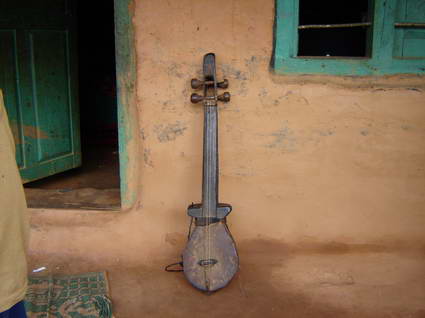
Single block of saaj or kher hardwood — carved, never assembled
Strings
Four main strings, traditionally made from goat intestine
Time to make
3 to 7 days, entirely handmade by Gandharva artisans
Playing style
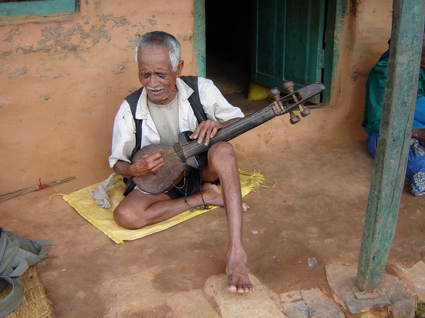
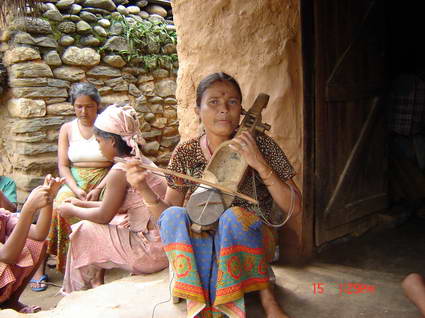
Held vertically; fingernails stop the strings; bow moved underhand
The sarangi's sound is described as nasal and resonant — able to imitate the human voice. When a Gaine plays, the line between speech and music dissolves. The instrument becomes the singer's second throat.
| Feature | Nepali Sarangi | Indian Sarangi |
|---|---|---|
| Form | Compact, carved from one piece of wood | Larger body, built from multiple components |
| Strings | Four main strings | Three main + up to 37 sympathetic strings |
| Sound | Folk-style, earthy, emotional, voice-like | Rich, layered tone for classical music |
| Technique | Fingernails press the strings | Cuticles press the strings |
| Purpose | Folk songs, storytelling, news-carrying | Hindustani classical music accompaniment |
Chapter Four
Traditional Gaine Routes · Nepal
Original map artwork here
Hover villages to reveal names · Replace with archival map
They walked. Always walked. Over mountain passes, through monsoon rain, across bridges of rope and wood. A Gaine Dai carried everything he owned: a sarangi on his back, a few coins in his pocket, and a thousand songs in his memory.
The song was never finished before it was sung. Each village received its own version — its own praise, its own grief, its own news. A Gaine's audience was never passive. They interrupted, requested, cried, celebrated. The performance was a conversation that happened to have music in it.
Chapter Five
The radio came. Then television. Then cassette tapes, then mobile phones, then the Internet. Each new medium carried sound more efficiently than a human voice. None of them walked through the rain to sing at your doorstep.
The Nepali Folklore Society documented 29.36 hours of Gaine oral texts in their 2005 field recordings. What they also recorded was absence — the silence where songs used to be. Many Gaines had left music entirely, seeking any other work that would keep them fed.
Caste discrimination compounded the loss. Even when Gaine musicians performed well, they were refused entry to homes, denied the respect that other musicians received. The art was celebrated; the artists were not.
"The songs are still in here. In my chest. But who will listen now? The television has everyone's ears."
— Oral testimony collected during NFS fieldwork, 2005
"My grandfather knew five hundred songs. I know forty. My son knows three."
— Gaine musician, Kathmandu, interview transcript
The Nepali Folklore Society's 2005 survey found that many Gaines had abandoned their traditional practice entirely. Commercial music had not only displaced their livelihood — it had begun to displace their songs' melodies, replacing original compositions with remixed versions that distorted what had been preserved for generations.
Chapter Six
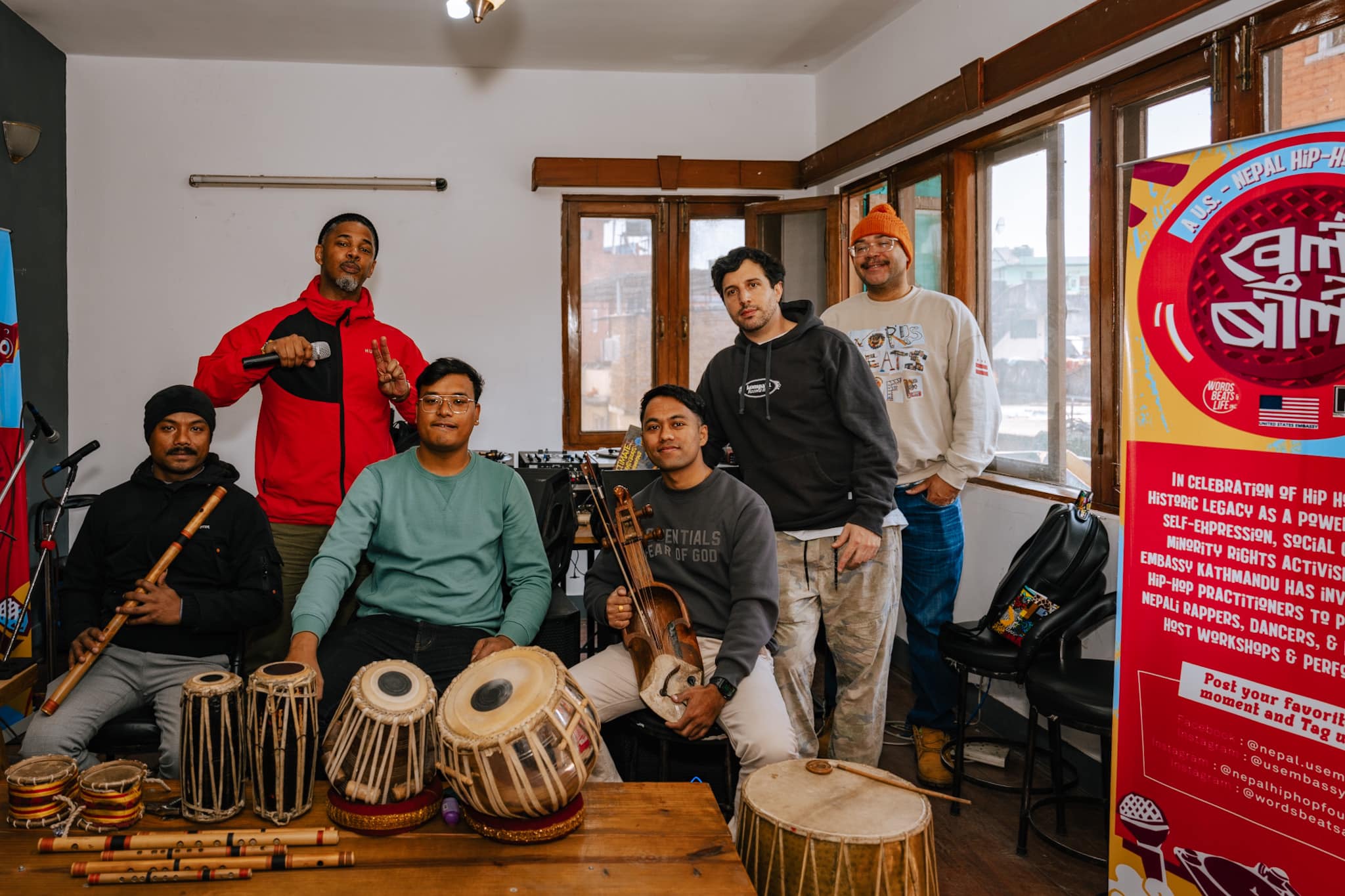
But the strings were not all broken. Some Gaine musicians refused to let the tradition die. They adapted, innovated, and quietly began to rebuild — village by village, note by note.
2003
Sarangi Diwas is born
Nepal's first Sarangi Day brings musicians, scholars and communities together to celebrate the instrument. It becomes an annual occasion for performance, education and public recognition of Gaine heritage.
2005
29 hours of recordings
The Nepali Folklore Society completes a landmark field documentation project — 29.36 hours of oral texts, songs, rituals and interviews. The archive becomes a foundation for future research and revival.
Shyam Nepali
Sarangi · Jazz Fusion
Prince (Narayan) Gandharva
Sarangi · Contemporary Pop
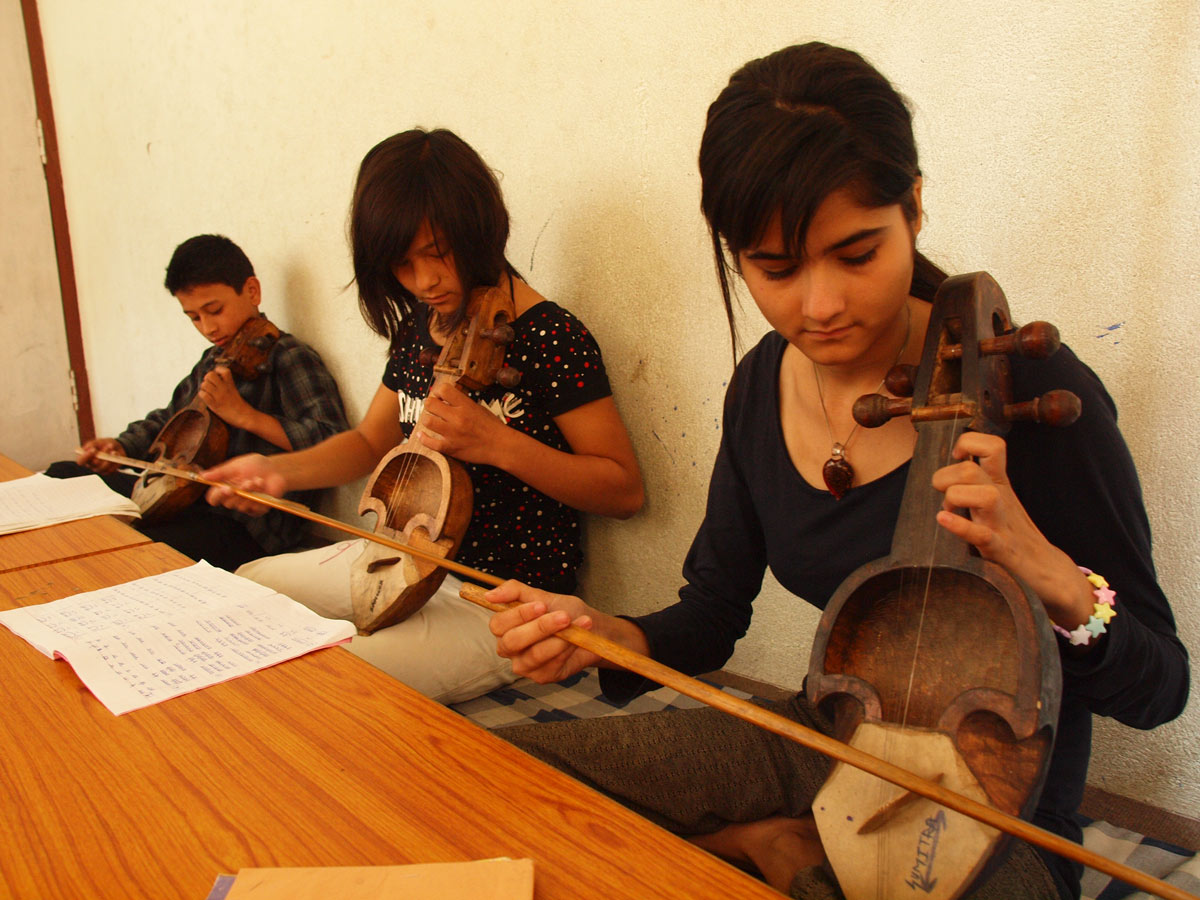
Female sarangi musicians
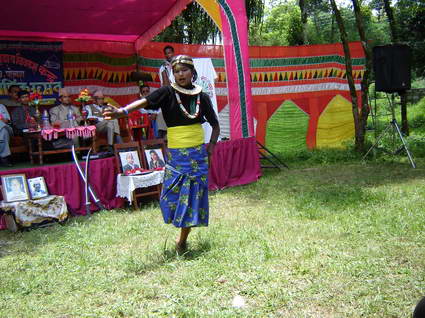
Breaking tradition · New voices (documented by NFS)
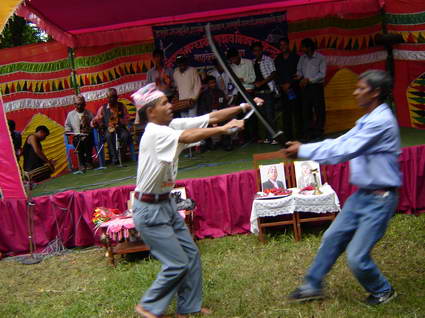
Photograph: Sarangi Diwas performance — young and old musicians together on a stage, audience gathered in a public square, strings alive again
Photograph · Sarangi DiwasPhotograph: a young woman learning to play sarangi — the first documented female student in her village's Gaine community
Documentary Photo · New LearnersChapter Seven
What the Gaine did for centuries — carry story, carry news, carry memory — is precisely what this project asks of digital technology. The medium changes. The mission does not.
01 · Archive
Digital Preservation
Community-led recording projects, annotated audio archives, and open-access digital repositories to protect songs before they disappear.
02 · Education
Teaching the Tradition
School programmes and online lessons where Gaine musicians teach sarangi and song — creating a generation of players, not just listeners.
03 · Inclusion
Lifting the Community
Fair recognition, economic support, and the dismantling of caste stigma that still shadows the very people who preserved Nepal's oral history.
04 · Research
Inviting Scholarship
Annotated archives with metadata, citations, and open contribution — so academics, musicians and Gaine families can all add to the record.
Panoramic photograph: a Gaine musician playing his sarangi at sunset, mountain silhouette behind him, the last light catching the strings — a note suspended between past and future
Closing Image · The Journey Continues"Their songs were never just entertainment.
They were how Nepal remembered itself."
Support the Gaine community. Share this story. Remember.